In this article
What is an EHR?
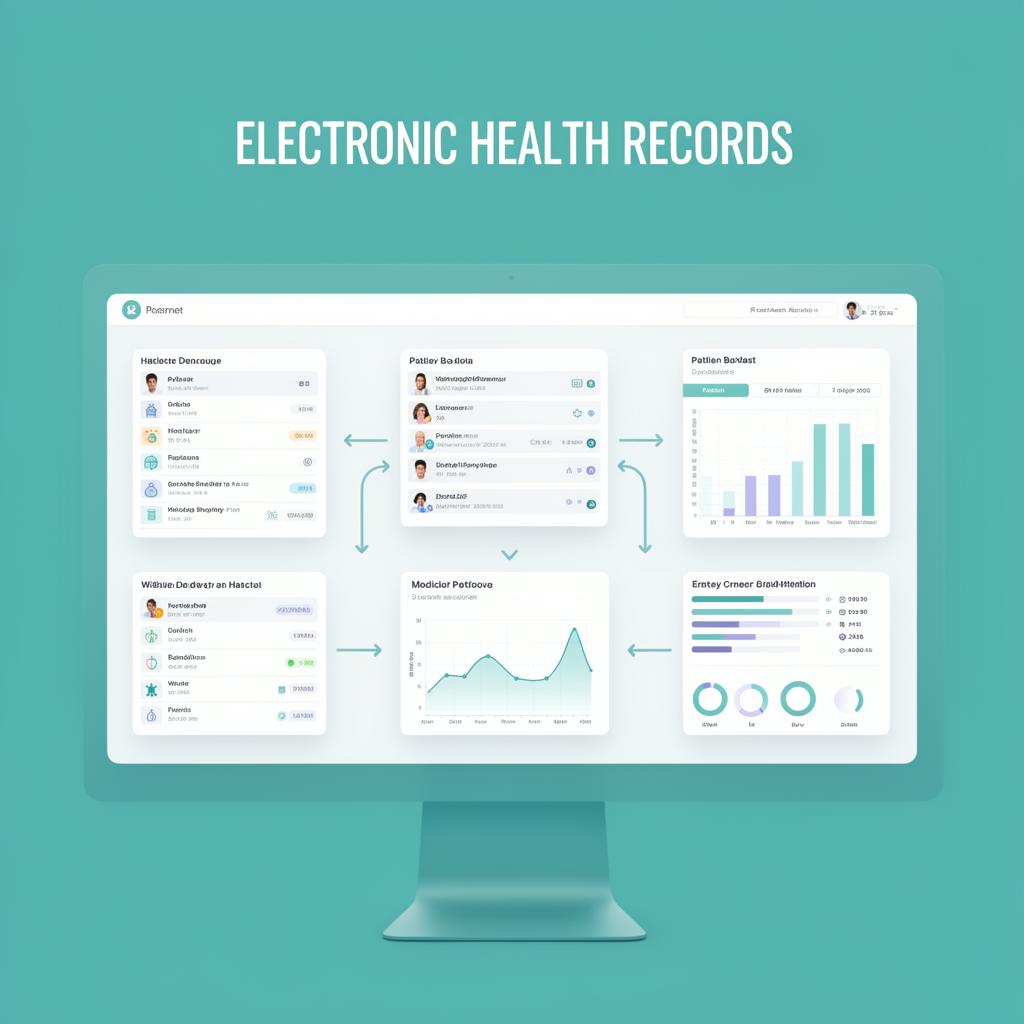
An Electronic Health Record (EHR) is a digital system in which all relevant patient information is recorded. From treatment plans and session reports to medication and invoices — everything comes together on one central platform.
In mental healthcare an EHR is more than a digital filing cabinet. It is a working tool that supports practitioners in planning, executing and evaluating treatments.
Core functions of a mental-health EHR
A good mental-health EHR offers the following core functions:
- Record keeping — All patient data in one place, structured and searchable.
- Treatment plans — Create, monitor and adjust treatment goals and interventions.
- Reporting — Documentation of sessions, observations and progress.
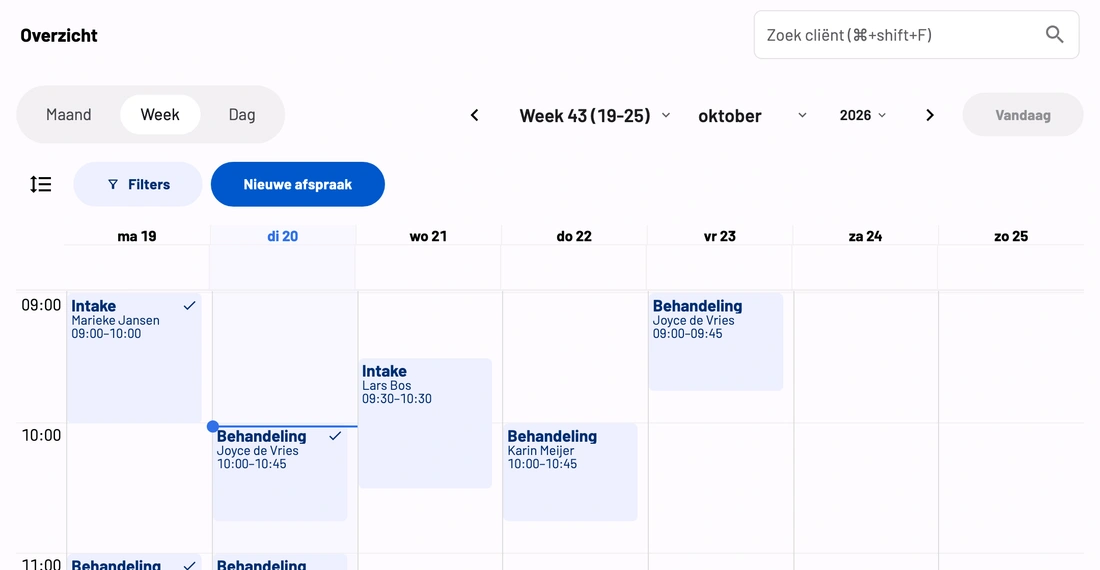
- Scheduling — Schedule appointments, send reminders and manage rosters.
- Invoicing — Automatic billing to health insurers.
- Analytics — Insight into treatment outcomes, production figures and quality indicators.
How does a mental-health EHR differ from a regular EHR?
Not every EHR is suitable for mental healthcare. The sector has specific requirements that a generic EHR often cannot fulfil:
- Support for ROM questionnaires (Routine Outcome Monitoring)
- Structured intake and diagnostic modules
- Treatment protocols specific to mental healthcare (CBT, EMDR, etc.)
- DBC/DBBC registration and billing
- Privacy sensitivity at the highest level
What to look for when choosing?
When choosing an EHR for your mental-health practice, there are a number of crucial factors:
- User-friendliness — How intuitive is the system? How many clicks does an action take?
- Flexibility — Does the system adapt to your workflow, or must you adapt?
- Support — Is there a help desk available? How quickly do you get help?
- Cost — What do you pay monthly? Are there hidden costs?
- Future-proofing — Is the system actively being developed?
The next step
A good EHR is the backbone of every mental-health practice. It saves time, increases quality of care and ensures smooth operations. Take your time to compare different systems and choose a partner that thinks along with your practice.